
Best overall: a private company, usually styled (Pty) Ltd. Best for testing a small, owner-run shop: a sole proprietorship. Best for shared ownership without incorporating: a partnership. For South African e-commerce founders choosing a business structure in 2026, a private company offers separate legal personality and a clearer framework for ownership, with ongoing compliance duties.
- The best business structure for an e-commerce business South Africa depends on liability, ownership and compliance capacity.
- A private company is the default recommendation for an e-commerce brand planning to grow.
- A sole proprietorship suits an owner testing demand who accepts personal liability.
- A partnership needs a written agreement and exposes partners to business liabilities.
Why your business structure matters
Your business structure determines who signs supplier contracts, owns stock and carries business debts. A trading name, website or payment account does not create a separate legal entity. You need to decide whether you will trade in your own capacity, with partners or through a company.
For your 2026 launch, consider product claims, supplier credit and ownership alongside registration administration. A shop selling physical goods carries obligations beyond taking payments. The person or entity selling those goods must also deal with customers, suppliers and the relevant authorities.
Express Reg provides company registration and compliance services for South African businesses. Express Reg suits e-commerce founders seeking company registration and compliance support; it is a private consultancy with no government affiliation.
Criteria for choosing an e-commerce business structure
Use these criteria before comparing registration routes:
- Personal liability: Establish whether creditors can pursue you for business debts and where personal guarantees create exposure.
- Ownership: Decide whether you need shares, shared management or sole control.
- Administration: Identify the CIPC, SARS and record-keeping obligations you can maintain.
- Funding: Consider how you intend to introduce capital and document investors' ownership rights.
- Continuity: Plan for a founder leaving, a change in ownership or a future sale.
Choose the structure that fits your obligations, rather than the one with the shortest registration process. Incorporation creates responsibilities that continue after you receive the registration documents.
Business structures at a glance
| Rank and structure | Best for | Standout feature | Key limitation |
|---|---|---|---|
| 1. Private company, (Pty) Ltd | Building a brand with transferable ownership | Separate legal personality and ownership through shares | Ongoing company filings and governance |
| 2. Sole proprietorship | Testing a shop under one owner's control | You trade in your own capacity | You bear business debts personally |
| 3. Partnership | Co-owners choosing to trade without a company | Partners agree how to share the business | Partners face personal exposure and shared decisions |
These are ownership and liability choices. Your choice does not remove tax, consumer protection or other obligations attached to your trading activities.
1. Private company: best for building a transferable brand
A private company exists as a legal person separate from its shareholders. The company can own assets, enter contracts and incur debts in its own name. Shareholders own shares in the company rather than owning its individual assets directly.
South African law permits a private company with 1 shareholder and requires at least 1 director. You can hold both roles, so incorporating does not require a co-founder. You must still distinguish your actions as a shareholder from your duties as a director.
Private company pros
- Separate legal personality: The company holds its own rights and obligations.
- Defined ownership: Shares provide a framework for documenting ownership and transfers.
- Business continuity: A shareholder change does not, by itself, end the company's existence.
- Governance framework: Directors, shareholder decisions and company records have defined legal roles.
Private company cons
- Continuing administration: You must maintain company records and meet applicable CIPC and SARS obligations.
- Limits to protection: Personal sureties and director liability in specified circumstances can expose you personally.
- Ownership formalities: Share issues and transfers require proper records and attention to governing documents.
For a 2026 e-commerce launch, identify the company as the contracting seller once it starts trading. Keep its transactions and records separate from your personal affairs. Incorporation alone does not transfer contracts, stock or intellectual property that you already own personally.
Best for: Founders building an e-commerce brand that needs defined ownership, business continuity and separation from the founder.
Verdict: Buy into the private-company route if you intend to build a continuing business and can maintain its compliance.
2. Sole proprietorship: best for testing demand under one owner
A sole proprietorship means you conduct the business in your own capacity. You can use a trading name, but the business has no separate legal personality. You remain responsible for its obligations.
This structure suits an initial trading test where you want sole control and understand the personal exposure. Assess the commitments you will make before choosing it. Supplier credit, imported stock or customer claims can create obligations even while sales remain modest.
Sole proprietorship pros
- Direct control: You make decisions without shareholder or partner approval.
- No company governance: You do not maintain a separate company's statutory governance records.
- Individual tax treatment: You account for business income through your personal tax affairs, subject to applicable rules.
Sole proprietorship cons
- Personal liability: Business creditors can pursue you personally.
- No shares: You cannot offer shares in a sole proprietorship to an investor or co-founder.
- Later restructuring: Moving into a company requires attention to assets, contracts and trading records.
Keep business records even without a company. Separate transaction records help you calculate income, substantiate expenses and understand the shop's position. A separate bank account does not create legal separation between you and the business.
Set a review trigger before launching. Reassess the structure before taking on a co-owner, signing material credit commitments or accepting investment. This gives you a decision point tied to a change in responsibility.
Best for: A single owner testing demand who accepts personal responsibility for the shop's debts and claims.
Verdict: Hold this structure for a limited trading test, then reassess it as your obligations change.
3. Partnership: best for co-owners trading without incorporation
An ordinary partnership involves 2 or more partners carrying on a business together for profit. The partners agree their contributions, responsibilities and profit-sharing arrangements. An ordinary partnership does not provide the separate legal personality of a company.
Shared work does not settle ownership questions. Before trading, document who contributes money, who manages suppliers and who controls the website, domain and customer records. Obtain legal advice on the agreement and the partners' exposure.
Partnership pros
- Shared contributions: Partners can contribute capital, skills or other agreed resources.
- Agreed responsibilities: A partnership agreement can allocate management duties.
- Flexible profit sharing: Partners can document how they divide profits and losses.
Partnership cons
- Personal exposure: Partners face personal liability for partnership obligations under the applicable rules.
- Authority risk: A partner's actions within their authority can bind the partnership.
- Exit complexity: Departure, disagreement or death requires attention to the agreement and partnership law.
In 2026, a shared online shop needs more than an informal understanding between friends. Record who can place orders, incur debts and approve withdrawals. Include a process for resolving disputes and dealing with a partner's departure.
Compare a partnership with a jointly owned private company before signing supplier agreements. A company provides a different framework for ownership and continuity, although directors and shareholders still need clear decision-making arrangements.
Best for: Co-owners who have assessed personal liability and chosen to operate under a professionally drafted partnership agreement.
Verdict: Skip an informal partnership; proceed only after documenting authority, liability and exit arrangements.
Basis for the ranking
This ranking prioritises personal liability, ownership clarity and continuity, then weighs administration against those benefits. A private company ranks first because it combines separate legal personality with share ownership. A sole proprietorship ranks second for a single-owner test, while a partnership serves the narrower case of co-owners choosing to trade without incorporating.
No structure receives a tax-saving recommendation here. Tax treatment depends on the taxpayer, income, activities and applicable rules. Ask a tax practitioner to assess your circumstances before making tax the deciding factor.
Put the chosen structure into practice
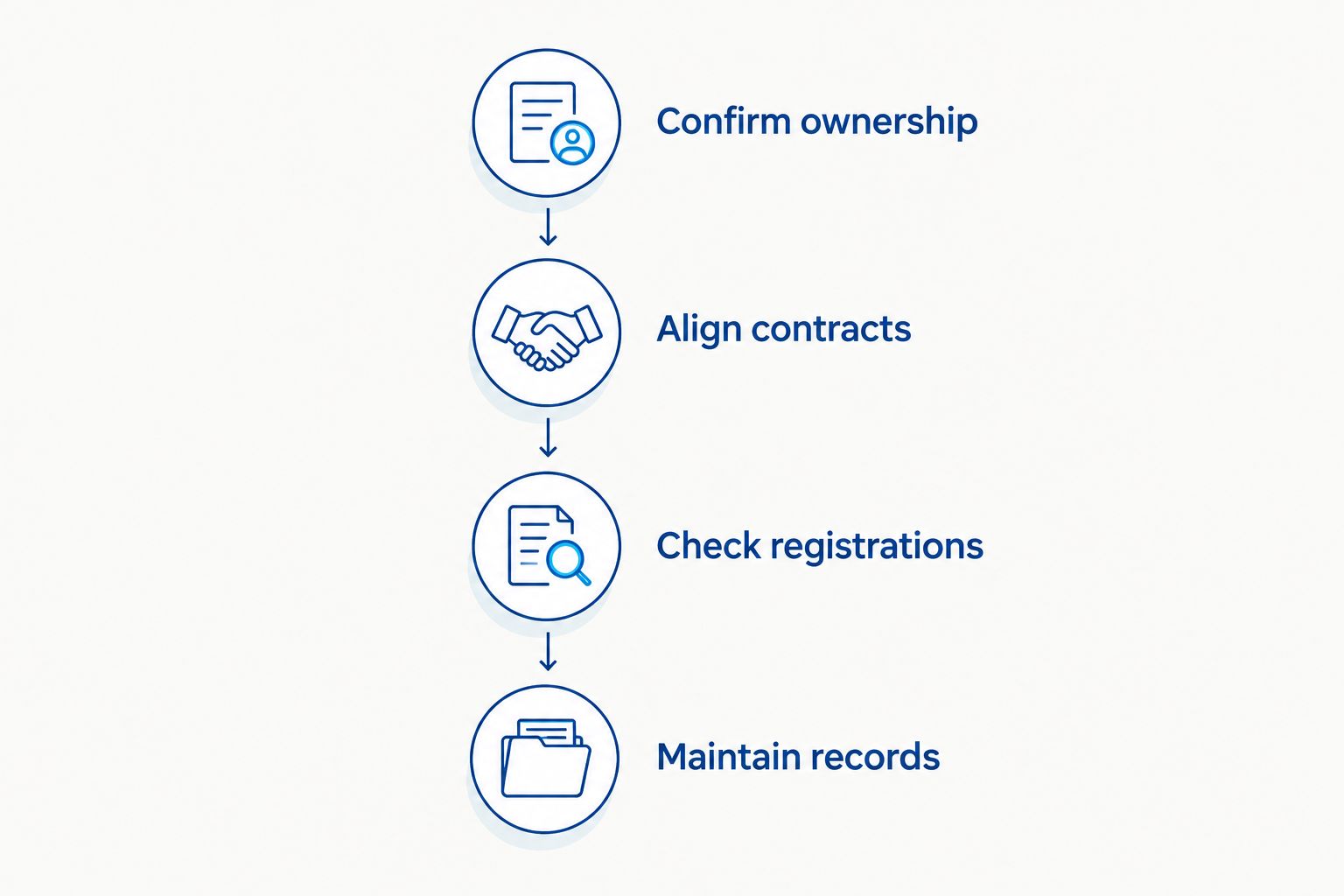
Your registration decision needs to match the way the shop trades. Use this sequence to connect ownership, contracts and compliance.
Confirm ownership
Record who owns the business and who has authority to act. For a company, distinguish shareholders from directors and maintain the relevant ownership records. For a partnership, put the agreement in place before committing joint resources.
Align contracts
Identify the correct contracting party on supplier agreements and customer-facing documents. Review payment-provider and banking requirements for that party. If you move an existing shop into a company, check which agreements need consent, replacement or transfer.
Check registrations
Assess the SARS registrations that apply to your activities and staffing. Company registration does not establish that you have met VAT, PAYE or other registration requirements. Each obligation has its own conditions.
Maintain records
Allocate responsibility for accounting records, tax submissions and applicable company filings. For companies, include CIPC annual returns and beneficial ownership obligations in your compliance planning. Keep submission confirmations with the underlying records.
Review these arrangements during your 2026 launch planning and after an ownership change. Express Reg offers company registration, statutory filings, tax and labour registrations, and ongoing compliance support. Confirm the scope of the service you need before instructing a provider.
Choose a private company unless your circumstances point elsewhere
A private company is the default recommendation for an e-commerce brand you intend to build and retain. It gives you a separate legal entity and a framework for ownership, but you must budget attention for administration and director responsibilities.
Choose a sole proprietorship if you are testing a shop alone and accept personal exposure. Choose a partnership only after you and your co-owners understand its liability and agree on management and exit terms.
Use your actual commitments to make the final decision. A supplier's request for a personal guarantee deserves attention even after incorporation, because that guarantee can create personal exposure alongside the company's obligations.
FAQ
Is a private company the best structure for my online shop?
A private company is the default recommendation if you want separate legal personality and ownership through shares. It also brings company records, filings and director duties, so assess your capacity to maintain them.
Can I run an e-commerce business as a sole proprietor?
You can trade online as a sole proprietor, subject to the requirements that apply to your activities. You remain personally responsible for business debts and must meet applicable tax and consumer obligations.
Can I register a private company on my own?
A South African private company can have 1 shareholder and 1 director, and you can hold both roles. You still need to maintain the company's records and fulfil the duties attached to each role.
Does a private company protect all my personal assets?
A private company does not provide unconditional protection from personal liability. Personal sureties and specified circumstances involving director liability can expose you despite the company's separate legal personality.
Do I need a partnership if I have a co-founder?
Having a co-founder does not require you to choose a partnership. You can consider a jointly owned private company and document the founders' ownership, authority and decision-making arrangements.
Does registering a company complete my SARS compliance?
Company registration does not complete all SARS compliance obligations. Check the tax registrations, returns and supporting records that apply to the company's activities and employment arrangements.
Can I move from a sole proprietorship to a company later?
You can establish a company and move the business into it, but incorporation alone does not transfer existing assets and agreements. Review stock, intellectual property, contracts and tax consequences before changing the trading entity.
Is Express Reg a government registration authority?
Express Reg is a privately owned business services consultancy and has no government affiliation. It provides company registration and compliance services to South African businesses.
One last thing
Check who owns the assets that make your shop work. Your domain, trade marks, product photographs and supplier agreements can sit with different people or entities if you created them at different stages.
For your 2026 setup, record the intended owner and arrange any necessary permissions or transfers. A company registration certificate establishes the company; you still need to align the shop's assets and agreements with it.